
🗺️ This article is part of the Tien Thanh Travel Guide cluster.
From around November through April, Mui Ne – Phan Thiet enters its dry season: little rain, steady sun, and a calmer sea than the rest of the year. That's exactly the stretch when inquiries about monthly rentals rise sharply — not a coincidence, but a direct result of the weather.

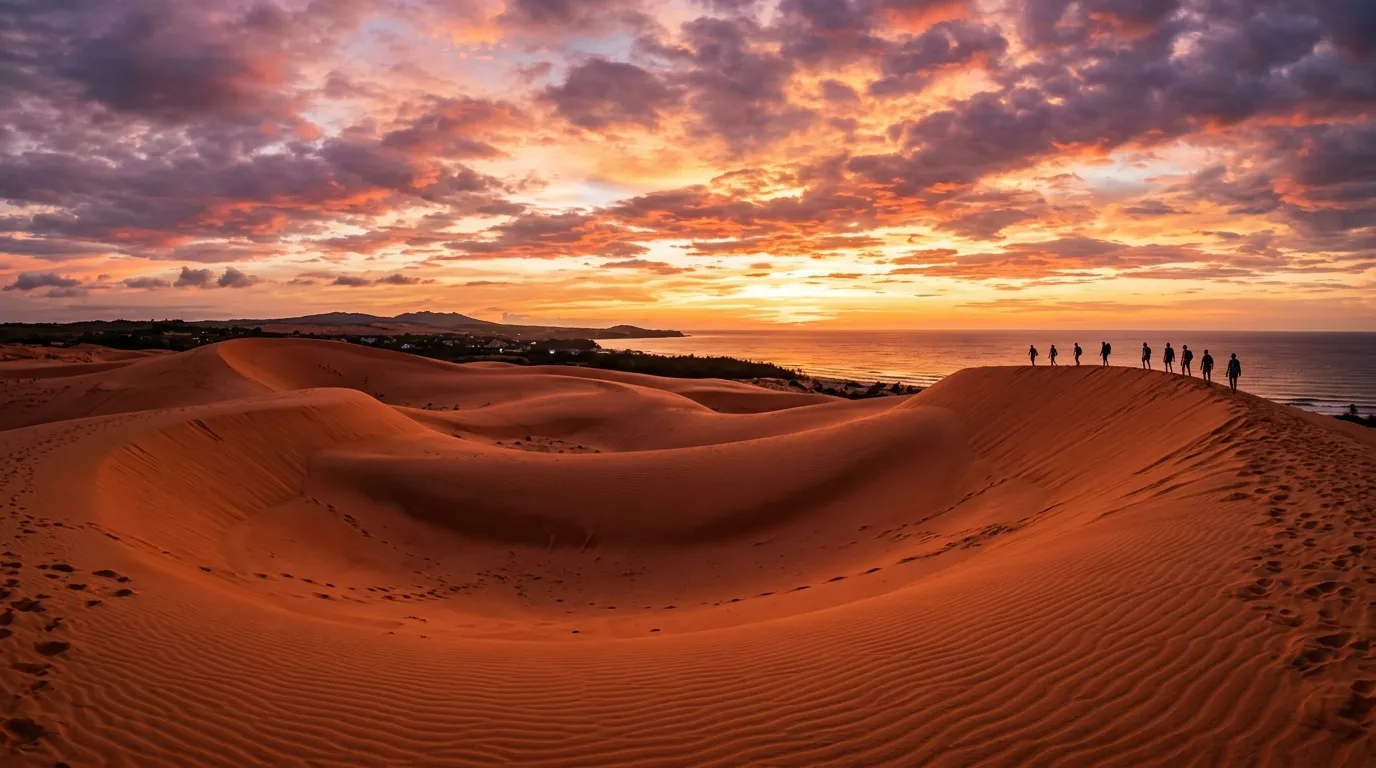
Dry season and rainy season in Phan Thiet
Binh Thuan sits in one of the driest regions in the country, with a much shorter rainy season than the north or the Central Highlands. The dry season runs roughly from November through April the following year — little rain, steady sun, a calmer sea, well suited to both swimming and extended outdoor living. The rainy season falls roughly from May through October, with rain usually arriving fast in the afternoon and clearing quickly, rather than lingering all day as it does in some other parts of Vietnam.
The terrain plays a role too: Phan Thiet sits in a dry coastal zone, less affected by strong tropical depressions than the central coast further north. So even during the rainy season, the impact on daily life here tends to be lighter than in many other places.
A note on the figures
Detailed month-by-month temperature and rainfall figures will be updated from meteorological sources when this article is revised — what's given here reflects the general seasonal pattern, consistently observed over many years in this area.
Why this is a go-to spot to escape winter
Right as northern Russia and much of Europe enters a cold, dark winter, Phan Thiet is in the middle of its warm, sunny dry season. That's why the flow of Russian monthly-rental guests typically starts picking up from late September, right in step with rental listings appearing more frequently in local Russian community groups around that time.
Beyond temperature, daylight is just as important a factor. Winter at higher latitudes brings very short daylight hours, which affects many people's mental well-being. In Phan Thiet's dry season, daylight hours are long and consistent — a key reason many families choose to settle in here rather than take a short break and head straight back home.
Which months have strong wind, good for kitesurfing
Mui Ne is known for steady, strong northeast monsoon winds from around November through March — the peak season for international kitesurfers and windsurfers. This group differs from families settling in for the winter in one key way: they prioritize villas close to the kite beach (Ham Tien rather than Tien Thanh) and don't mind strong sun and wind — in fact, they seek out the windiest days specifically to train.
For families not into water sports, the strong wind this season causes no inconvenience to daily life, with only a mild effect on swimming on days with rougher-than-usual waves. Villas within NovaWorld – Tien Thanh feel less direct wind than the Ham Tien coastal strip, since they sit further back from the shore.
Temperature and humidity through the year
Overall, Phan Thiet falls into the category of year-round warm climates, without a sharply defined cold winter like the north. The dry season feels more pleasant because humidity is lower than during the rainy season — even when daytime temperatures are similar, the heat feels more oppressive during the rainy season due to higher air moisture.
Evenings in the dry season usually bring a light breeze, noticeably cooler than daytime — many families choose to dine outdoors or take a walk in the early evening rather than during the harsh midday sun.
How far ahead to book a monthly rental
Since peak season lines up exactly with the dry season, the nicer villas — especially those with a private pool or that allow pets — tend to book up early. It's worth locking in a villa at least three to four weeks ahead if you want a wide range of options, especially for the December-to-February stretch, when winter-escape guests overlap with year-end holiday travelers.
Booking closer to your travel date, you can usually still find a villa, but the choice narrows — you may need to accept a villa further from the beach or missing a feature or two you originally wanted.
Packing by season
In the dry season, bring sunscreen and a hat, since the sun is intense for nearly the whole day. During the windy season (November–March), pack a light windbreaker for the evenings, even though daytime stays warm. In the rainy season (May–October), bring a compact rain jacket, since rain tends to arrive without much warning in the afternoon.
Comparing with cold regions in Russia and Europe
For anyone coming from a region with long winters — Moscow, St. Petersburg, or many northern European cities — winter temperatures back home can drop below 0°C for months at a time, with daylight hours shrinking to just a few hours in the dead of winter. By contrast, Phan Thiet's dry season brings sun for nearly the whole day, warm and pleasant daytime temperatures, with no need for layers of clothing or any concern about snow disrupting daily life.
This gap isn't just about weather — it affects mental well-being too. Prolonged lack of sunlight during winter at higher latitudes is a well-known contributor to fatigue and low energy. This is the deeper reason more and more families are choosing to "winter over" in places with year-round warm climates like Mui Ne – Phan Thiet, rather than taking a short break and heading straight back to face another long winter.
Checking the weather before you plan
Before booking flights and a villa, it's worth checking the forecast for the Phan Thiet area over your planned stay, especially if your trip falls during a transitional period (roughly April–May or October–November), when weather can still be a mix of both seasons. Popular weather apps all have data for this area, which helps with packing the right things.
For guests who've already stayed here across multiple seasons, real experience is often more reliable than a long-range forecast — it's worth asking MH Travel's team or previous monthly-rental guests about the actual weather pattern during the specific period you're planning to visit, since they've experienced it firsthand in this area.
Frequently asked questions
It's still a perfectly fine time to stay — Phan Thiet's rain usually arrives fast and clears within the day, rather than lasting continuously. Rates this season also tend to be softer since fewer guests are around.
Strong wind mainly affects activities on the beach itself (swimming may mean bigger waves); life inside the villa is unaffected.
Usually the months in the middle of the rainy season (roughly June–August), when international arrivals drop and more villas sit available.
Per CDC guidance on hot weather: avoid being outdoors at midday, rest in a cool place, stay hydrated, and watch for warning signs that need urgent attention (severe dizziness, nausea, no sweating despite intense heat) — especially for young children and older adults.
Every destination has its own strengths; Mui Ne – Phan Thiet has the advantage of a long-established Russian community, competitive rental rates, and a dry season that lines up exactly with when winter needs escaping.
How the climate affects your choice of villa
Since most of the year is hot and dry, a villa with plenty of windows, good airflow, and natural shade (greenery around the yard) tends to stay noticeably cooler than a sealed-up villa relying only on air conditioning. A villa with an eave or a covered outdoor area also makes evening time more comfortable once the temperature has eased.
During the windy season (November–March), it's worth prioritizing a villa that isn't too exposed, avoiding direct wind straight into the main living areas — this matters less for villas tucked further inside NovaWorld than for ones that sit fully exposed right by the sea.
For a villa with an outdoor pool, it's worth asking whether the pool is covered or fully open to the sky — during the rainy season, an open pool is still perfectly usable, just keep in mind clearing out rainwater if it builds up after a heavy downpour.
What to pack for each season
Dry season (November–April): bring light, breathable clothing, swimwear, a wide-brimmed hat, and sunglasses. Evenings have a cool breeze, so a light jacket is worth packing — no need for anything heavy. Rainy season (May–October): bring a compact rain jacket, waterproof footwear, and a few long-sleeved items for the occasional stretch of rain that brings a slight dip in temperature.
For young children, pack enough changes of clothes for multiple times a day, since the hot, humid climate makes kids sweat more than usual, especially in the intense dry-season sun. Bring enough child-specific sunscreen too, since not every brand sold locally suits a child's sensitive skin.
See also: Tien Thanh travel guide · villas currently for monthly rent
Read more
More from the travel guide

Cost of Living for a Month in Mui Ne: Rent, Food, Transport, Daily Life
Before committing to a monthly rental, most guests want to know roughly how much a month here …
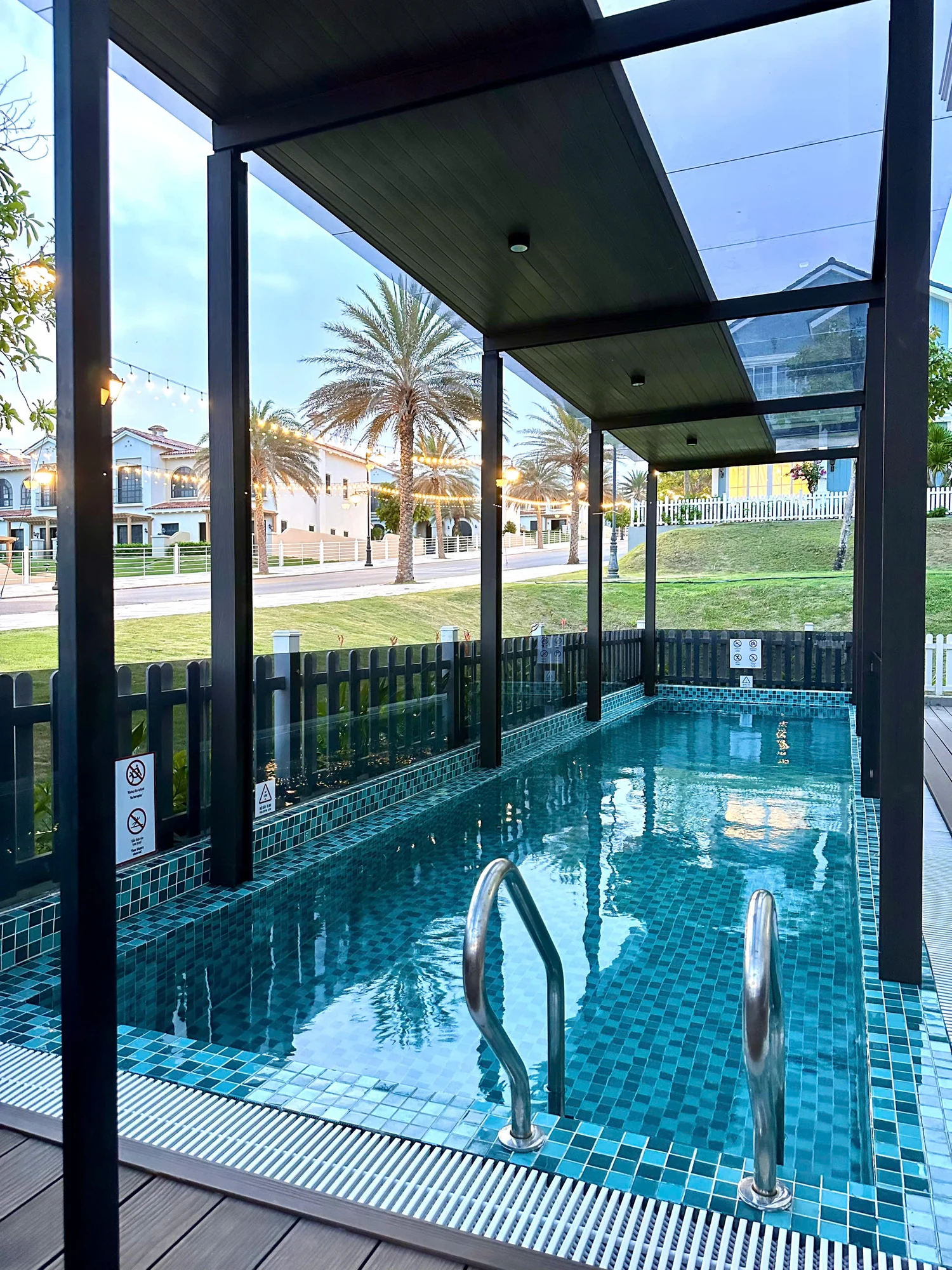
Detached Villa, Semi-Detached, or Townhouse: Which Type Suits a 2–4 Person Monthly Rental
Detached villas, semi-detached villas, and townhouses — the three housing types currently rent…
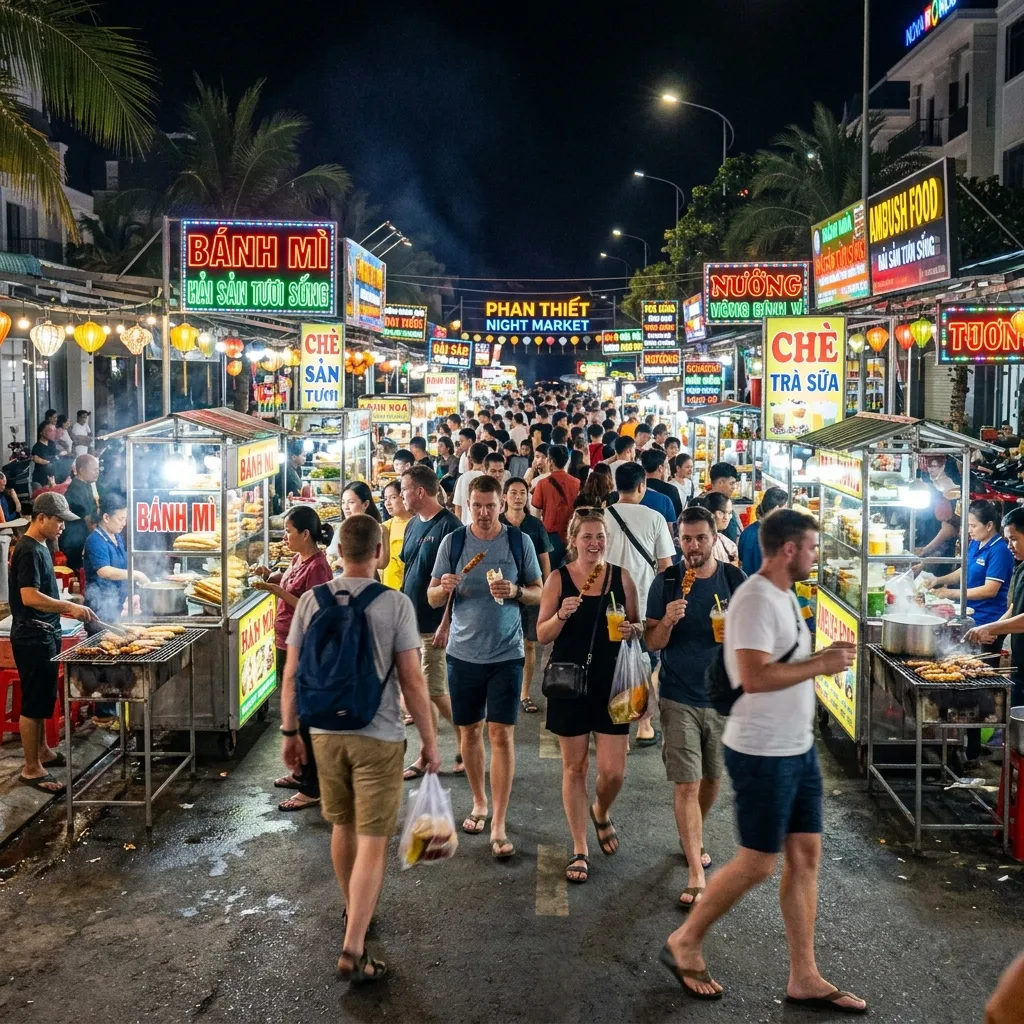
Monthly Rental in Ham Tien, Mui Ne, or NovaWorld – Tien Thanh: Which One Should You Pick
Ham Tien, Mui Ne, and Tien Thanh (home to NovaWorld Phan Thiet) are the three areas guests ask…
Need a place to stay for this trip?
Whole-villa rentals inside NovaWorld — private pool, kitchen, BBQ garden. Rates straight from the operator, availability updated in real time.