
🏖️ This article is part of the Phan Thiet – Mui Ne Travel Guide cluster.
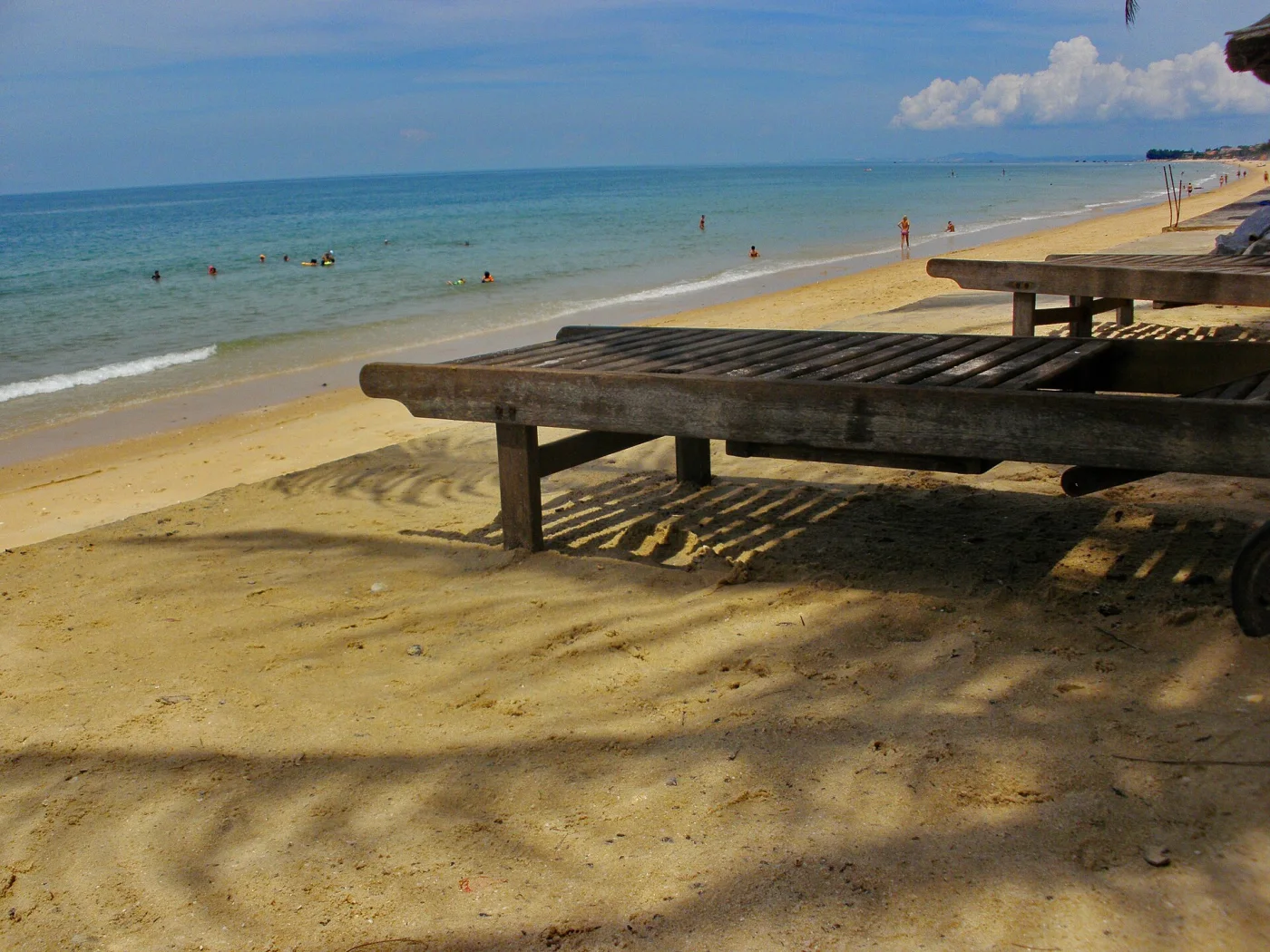
Unlike Phu Quoc's long rainy season or the north's exposure to typhoons, Binh Thuan is often called Vietnam's "little desert," defined by sun, wind, and remarkably little rain. Thanks to this quirk of geography, you can visit Mui Ne at any time of year. But to make the most of your trip and match it to your goals — photography, watersports, relaxation, or the best rates — here's MH Travel's detailed breakdown of each season.
A note on the province's name: as of July 1, 2025, Binh Thuan merged with Lam Dong and Dak Nong into a single Lam Dong province. Mui Ne – Phan Thiet now falls under Lam Dong; the name "Binh Thuan" is kept in this article since it's the name travelers know this area by.
Mui Ne – Phan Thiet's Climate Characteristics
Before answering "what's the best season to visit Mui Ne?", it helps to understand that Mui Ne sits in a tropical monsoon zone, yet is one of the driest regions in the country. Average temperatures hover between 26°C and 28°C year-round. The climate splits into two distinct seasons:
- Dry season (November to April): Clear, dry weather with almost no rain, bright blue skies, deep blue water, and steady wind.
- Rainy season (May to October): Despite the name, rainfall in Mui Ne is quite low compared to the rest of the country. Showers are typically brief, arriving in the late afternoon and clearing up quickly. This is also the calm-sea season, with gentle waves.
A Closer Look at Each Period of the Year
1. November – March: Peak Season for Watersports Enthusiasts & Western Visitors
This is considered high season for international visitors, especially those from Russia, Northern Europe, and South Korea escaping the cold. This period is defined by strong northeast winds.
- Weather: Clear skies with barely a cloud, and rain is rare. Cool, pleasant air with low humidity, so it never feels stuffy.
- Best experiences: The perfect time to catch sunset at the Sand Dunes (where the sand constantly reshapes in the wind). And if you love kitesurfing, the strong wind and big waves make for spectacular jumps.
- Worth noting: Waves run fairly high during this period, and the sea can get slightly rough, which sometimes limits swimming (especially for young kids) at beaches without a natural breakwater. Accommodation prices also tend to run higher due to the crowd of international visitors.

2. April – June: The Golden Window for Swimming & Photos
This transitional stretch between dry and rainy season is, in the view of many seasoned travelers, the single best time for a family trip to Mui Ne.
- Weather: Bright golden sun with noticeably less wind. This is also when Mui Ne's sea reaches its clearest blue of the year, no longer stirred cloudy by strong windy-season currents.
- Best experiences: The sea is very calm, with gentle waves that are safe for kids to swim in. This is the ideal time for a stunning beach photoshoot or striking a pose at Bau Trang under the summer sun.
- Minor downside: May tends to be the hottest month of the year, with midday temperatures reaching 32–34°C. Plan your dune visit for early morning (5–7am) and only swim once the afternoon sun has softened (after 4pm).
3. July – October: Beating the Heat & Getting the Best Value
Entering summer into autumn, Mui Ne sees occasional heavy showers. But don't worry — the rain here "comes fast, leaves fast," usually lasting just 1–2 hours in the late afternoon before clearing to fresh, pleasantly cool air.
- Weather: The sun softens and the air turns mild and cool. In July and August especially, the sea stays fairly calm.
- Best experiences: This is peak season for domestic tourism, so attractions like NovaWorld Phan Thiet run plenty of lively events and festivals. After a rain shower, Fairy Stream (the red stream) also looks its most vivid and refreshed.
- A note on the "red tide": Watch for a natural phenomenon that occasionally occurs around July–August at some beaches — an algae bloom sometimes called "red tide" or upwelling. It's not particularly harmful, but it can turn the water a rust color with a faint odor. It's localized and usually washes away quickly with the current. To be safe, you can choose a villa with a private pool to swim in on those days instead of the sea.
In Conclusion: Which Season Should You Choose?
Depending on what you're after, the answer will differ:
- Want great photos, safe swimming, traveling with young kids: Go in April, May, or June.
- Want to windsurf, try extreme sports, prefer dry weather: Go from November to March.
- Want to enjoy summer festivals and cool weather: Go in July or August.
Whatever season you travel in, making sure you and your family have a comfortable place to rest after a day out under Mui Ne's sun and wind matters most. For groups of 4–10, renting a whole villa with a private pool has become the most popular choice in 2026, giving you full control of your schedule whether it's raining or sunny outside.
Read more
More from the travel guide

The Complete Self-Guided Mui Ne Travel Guide 2026
The complete 2026 self-guided Mui Ne Phan Thiet travel guide: getting there by expressway, the…

Bau Trang Mui Ne: A Complete Guide to Vietnam's Little Sahara (2026)
A complete Bau Trang Mui Ne travel guide: renting an off-road ATV, jeep tours up the dunes, ka…
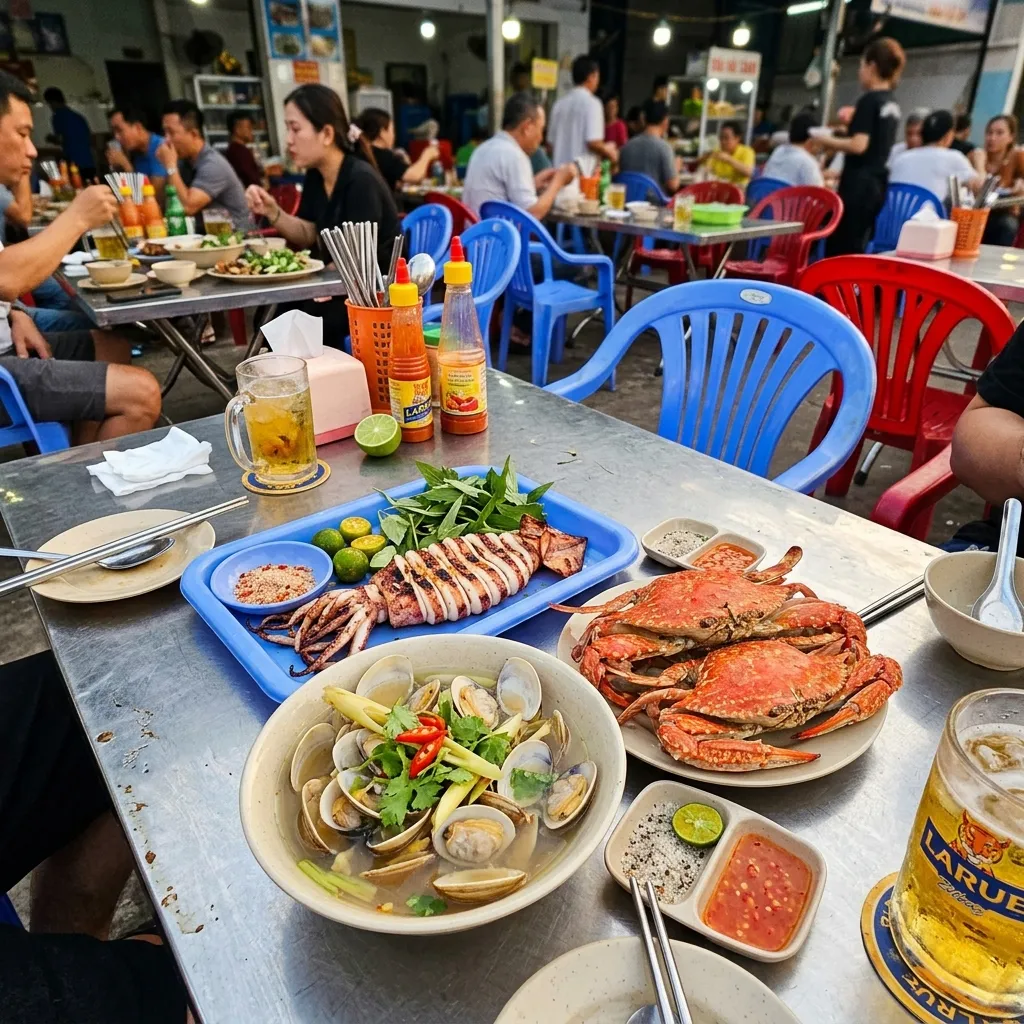
Top 10 Best Affordable Seafood Restaurants in Mui Ne (2026 Prices)
An honest review of the top 10 affordable, quality seafood restaurants in Mui Ne Phan Thiet. E…
Need a place to stay for this trip?
Whole-villa rentals inside NovaWorld — private pool, kitchen, BBQ garden. Rates straight from the operator, availability updated in real time.